Mélenchon's Non-Violence Vow Challenged Amid Lyon Tensions
The vibrant, historic city of Lyon, France’s third-largest metropolis, has recently become an unexpected epicenter of political tension, casting a long shadow over the hard-left political landscape and directly challenging Jean-Luc Mélenchon's carefully cultivated image of non-violence. While not a direct Mélenchon meeting Lyon focused on, a tragic incident following a high-profile political conference involving one of his closest allies has ignited a furious debate, forcing France Unbowed (La France Insoumise - LFI) to defend its core principles and the actions of its affiliates. The death of a young activist has brought France's deeply polarized political climate into sharp relief, raising crucial questions about rhetoric, responsibility, and the escalating friction between ideological factions.
The Tragic Events in Lyon: A Spark Igniting Debate
The controversy erupted in the wake of a conference at a Lyon university featuring Rima Hassan, a prominent MEP and a polarizing figure within LFI, particularly known for her vocal stance on Israel and Palestinian statehood. Following this event, 23-year-old Quentin Deranque, identified as a nationalist activist, was tragically beaten to death. The incident sent shockwaves through the city and across the nation, immediately drawing the attention of far-right and ultra-right groups who mourned his death and organized demonstrations in his memory.
The circumstances surrounding Deranque’s death quickly became a focal point of intense scrutiny. Allegations surfaced regarding the involvement of Jacques-Elie Favrot, an aide to Raphaël Arnault, an LFI MP and co-founder of the Young Guard – an anti-fascist group based in Lyon. While Favrot has denied direct involvement, he has stepped back from his political role as investigations proceed. This direct link to an LFI-affiliated figure has inevitably drawn Mélenchon’s movement into the heart of the controversy, forcing them to confront accusations that their rhetoric or the actions of their supporters contribute to real-world violence. The incident highlights the precarious tightrope walk political leaders face when attempting to inspire action while simultaneously advocating for peaceful means, particularly in environments as politically charged as the events unfolding around the high-profile discussions in Lyon.
Mélenchon's Non-Violence Philosophy Versus Reality on the Ground
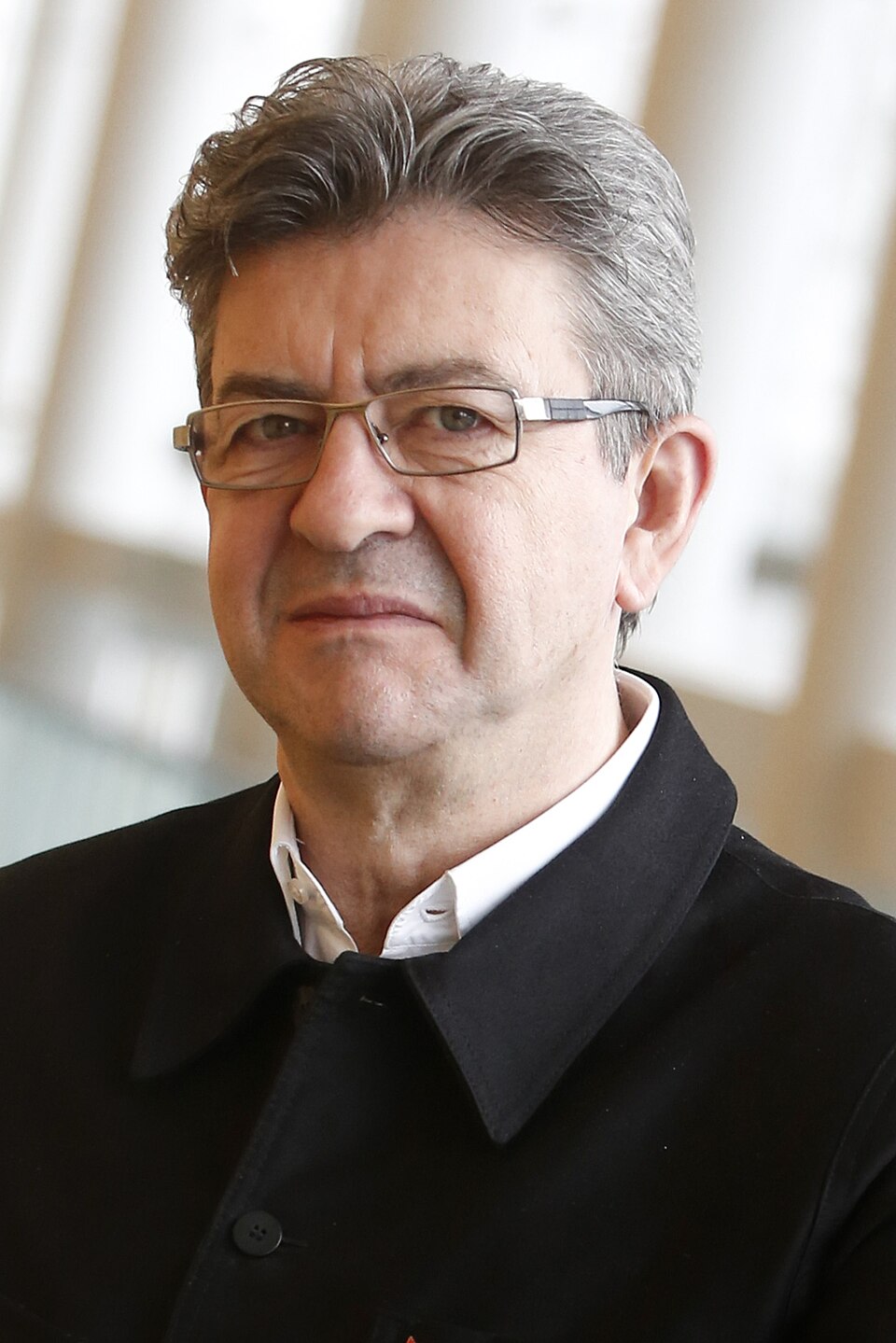
Jean-Luc Mélenchon, a three-time hard-left presidential candidate, has consistently championed a "civic revolution" achieved through elections and non-violence. He has repeatedly affirmed that for France Unbowed, "nonviolence is a fundamental philosophical choice." In the immediate aftermath of the Lyon tragedy, Mélenchon expressed "empathy for the family of young Quentin" and reiterated his party’s commitment to non-violence, stating, "Violence stunts our movements and brings fear that spreads." Rima Hassan herself expressed horror at the attack, emphasizing that the security accompanying her, provided by France Unbowed, "never resorts to violence and is in no way involved in these clashes."
However, this staunch defense of non-violence stands in stark contrast to accusations from political opponents. Critics, including Interior Minister Gérald Darmanin, have blamed Mélenchon’s hard-line rhetoric for cultivating a more polarized political landscape. Darmanin pointedly remarked that "radicalness in speech" can lead to "violence in the streets." While these criticisms sometimes lack specific examples directly linking Mélenchon's words to particular acts of violence, they tap into a widespread concern about the potential for inflammatory political discourse to escalate tensions.
The challenge for Mélenchon and LFI lies in bridging this perceived gap. How can a movement advocate for radical societal change and robustly challenge the status quo without its rhetoric being interpreted or twisted as an endorsement of confrontation, especially when affiliated groups are embroiled in violent incidents? The events in Lyon serve as a stark reminder that in a deeply fractured society, the line between impassioned advocacy and perceived incitement can be dangerously thin, and every statement, every public gathering – including any future Mélenchon meeting Lyon might host – is now viewed through this critical lens.
The Young Guard and the Shadow of Allegations
Central to the Lyon controversy is the group "The Young Guard." Co-founded in Lyon in 2018 by Raphaël Arnault – now an LFI MP – the group emerged with the stated aim of pushing back against the widespread presence of extreme far-right groups in the city. However, its methods and actions have not gone unnoticed by authorities. In June, the Ministry of the Interior ordered the group to be disbanded, asserting that "in support of an anti-fascist ideology, 'the Young Guard' incites violent acts." This ruling is currently being challenged in court, with significant backing from France Unbowed and various civil liberties watchdogs, who argue against the ban on free association and political activism.
The connection of an LFI MP to a group officially accused of inciting violence, coupled with the allegations against Arnault’s aide in the Deranque case, creates a significant credibility issue for Mélenchon's non-violence pledge. While LFI defends the Young Guard’s right to exist and disputes the government's characterization, the optics are challenging. The situation highlights the complex relationship between mainstream political parties and grassroots activist groups that share ideological goals but may employ different tactics. For a deeper dive into how this incident impacts Mélenchon's party, you can read more here:
Lyon Activist Death: Mélenchon's Party Under Intense Scrutiny. The ongoing legal battle and public perception surrounding the Young Guard will undoubtedly continue to shape the narrative around LFI's commitment to peaceful activism.
Navigating France's Fractured Political Landscape
The Lyon tragedy unfolds against a backdrop of increasing political polarization across France. President Emmanuel Macron himself has weighed in, labeling France Unbowed a "far-left" movement whose positions "contradicted the values of the republic." While LFI and some political scientists contest this label, its very application fuels the ideological divide. The incident prompted Macron to call for calm, emphasizing the need for "remembrance and respect" for the victim and "firmness and responsibility" from all parties.
The recent march organized by far-right groups in Lyon, attracting some 3,000 participants to honor Deranque, underscores the escalating tensions and the mobilization of opposing political camps. These events are not isolated; they reflect a broader societal fault line that could significantly impact upcoming municipal elections and the future presidential vote. The rise of the far-right in cities like Lyon presents a formidable challenge to LFI's electoral strategies and its ability to rally support without being associated with violence. To understand the wider implications of this shift, explore:
French Far-Right Rises in Lyon: Impact on Mélenchon's LFI.
In such a volatile environment, the responsibility of political leaders for their discourse becomes paramount. Parties must actively promote de-escalation, encourage constructive dialogue, and clearly delineate the boundaries of acceptable protest. For citizens, understanding the legal frameworks governing political groups and supporting independent investigations are crucial steps towards maintaining democratic integrity and curbing the spread of violence.
Conclusion: The Enduring Challenge of Political Discourse
The tragic events following a high-profile political gathering in Lyon have placed Jean-Luc Mélenchon's non-violence vow under intense scrutiny. While Mélenchon and LFI consistently advocate for peaceful political transformation, the allegations surrounding a party-affiliated group and an aide in a fatal incident have complicated this narrative. The controversy highlights the critical challenge of reconciling passionate political rhetoric with the unwavering commitment to non-violence in an increasingly polarized society.
As investigations continue and political tensions simmer, the fallout from Lyon will undoubtedly resonate through French politics. It serves as a potent reminder for all political actors to carefully consider the impact of their words and associations, and for citizens to demand accountability and uphold the values of peaceful discourse. The ability of France Unbowed to navigate these turbulent waters, particularly in politically charged cities where even a routine gathering can become a flashpoint, will be a defining test of its leadership and its foundational philosophical choices.